The Future of Web Design in 2025
The Future of Web Design in 2025
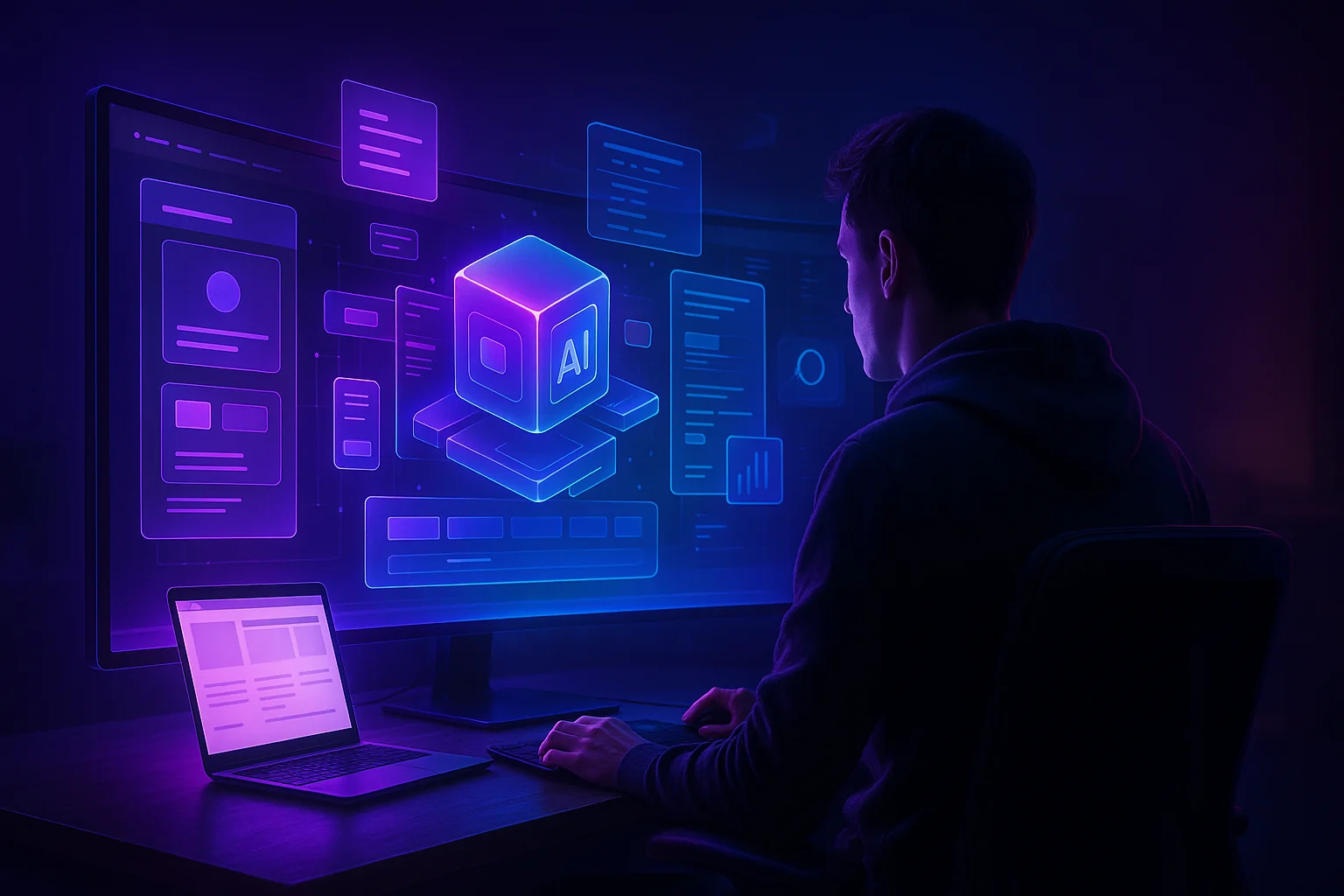
The digital landscape is evolving faster than ever. As we look towards 2025, web design is moving beyond simple aesthetics into a realm of immersive, intelligent, and highly personalized user experiences. Here are the key trends that will define the web.
1. AI-Driven Personalization
Artificial Intelligence is no longer a buzzword; it's the engine room of modern web design. By 2025, websites will adapt in real-time to user behavior, showing content, layouts, and offers tailored specifically to individual needs. Dynamic content blocks will become standard, ensuring that every visitor feels like the site was built just for them.
2. Immersive 3D Experiences
With the maturation of WebGL and faster internet speeds (5G/6G), 3D elements are becoming lighter and more accessible. We're seeing a shift from static 2D grids to interactive 3D environments that engage users deeper. Brands like EuroGoat are already pioneering this space with fully interactive 3D product showcases directly in the browser.
3. Voice User Interface (VUI) Optimization
As voice search continues to dominate, web design must adapt. It's not just about visual navigation anymore; it's about conversational navigation. Websites will need to be structured to answer voice queries concisely, with schema markup becoming even more critical for accessibility and SEO.
4. Neomorphism to Glassmorphism to Claymorphism
Design styles cycle rapidly. While Glassmorphism (frosted glass effects) has been dominant, we are seeing a shift towards "Claymorphism"—soft, tactile 3D shapes that look friendly and approachable, often combined with bold typography and micro-interactions.
Conclusion
The future is interactive, intelligent, and immersive. Businesses that stick to static, template-based designs will fall behind. At Coded Vision Design, we are already implementing these future-proof strategies for our clients today.